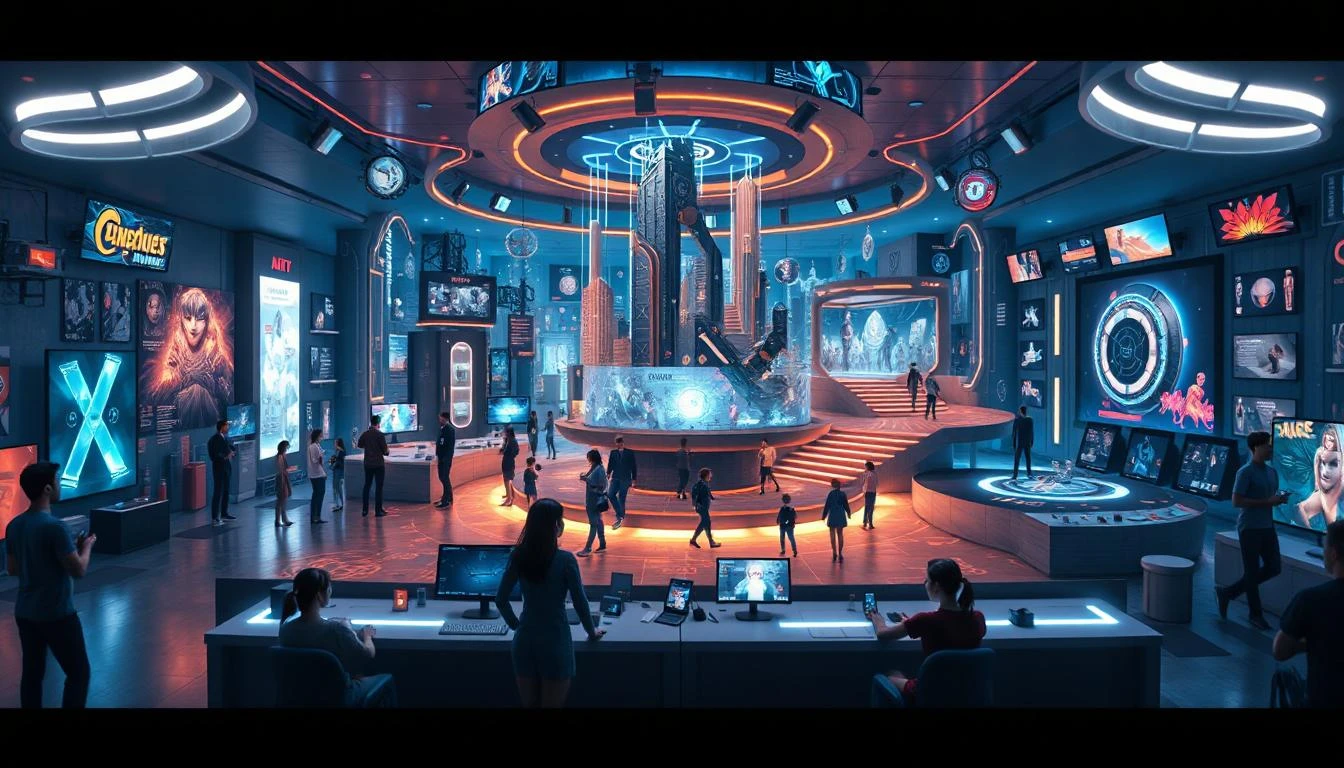
RPG Adventure Story Trends 2026

The role-playing game genre is entering one of its most exciting eras, driven by technological innovation and changing player expectations. Modern gamers are no longer satisfied with predictable storylines or static worlds. Instead, they are searching for immersive adventures that react to their decisions, create emotional connections, and deliver experiences that feel genuinely unique every time they play.
At the heart of this transformation is RPG narrative evolution, a growing trend that is redefining how stories are created and experienced in modern role-playing games. From adaptive storytelling systems to dynamic character interactions and branching adventures, developers are building worlds that respond to player choices in increasingly sophisticated ways, making every journey feel personal and memorable.
Next Generation RPG Storytelling Evolution
The role-playing game genre is entering one of its most transformative periods in history. As technology continues to advance and player expectations become more sophisticated, developers are no longer focused solely on larger maps or better graphics. Instead, they are redefining how stories are told, creating experiences that feel more personal, reactive, and emotionally engaging than ever before. If you've noticed that modern RPGs feel increasingly alive, you're witnessing a major shift that is shaping the future of interactive entertainment.
At the center of this transformation is RPG narrative evolution, a trend that is fundamentally changing how players interact with game worlds. Rather than following predetermined paths, players now influence dynamic narratives, forge unique relationships, and experience storylines that adapt to their decisions. This evolution is creating adventures that feel less like games and more like living worlds with endless possibilities waiting to be discovered.
As this new era unfolds, RPG Adventure Story gameplay is becoming increasingly interconnected with storytelling systems. The boundary between gameplay mechanics and narrative progression continues to blur, allowing every action, conversation, and decision to contribute directly to the overall adventure. This shift is redefining what players expect from modern RPG experiences.
Before exploring the specific innovations driving this change, it is important to understand that modern storytelling systems are no longer passive. They are active frameworks that continuously react to player behavior, creating adventures that feel unique for every individual who enters the game world.
Procedural Narrative Generation
One of the most exciting developments in modern RPG design is procedural narrative generation. Instead of relying entirely on scripted events, developers are introducing systems capable of generating quests, encounters, and story branches dynamically based on player actions.
This approach significantly increases replayability because no two journeys unfold exactly the same way. Players can encounter different allies, discover hidden story arcs, or face unexpected consequences depending on the choices they make throughout the adventure.
Modern implementations often combine artificial intelligence, dynamic quest architecture, adaptive storytelling systems, and player-driven world events. These innovations are quickly becoming some of the most important LSI concepts associated with contemporary RPG storytelling.
Deep Character Relationship Systems
Characters have always been at the heart of memorable RPGs, but relationship mechanics are becoming far more sophisticated. Instead of tracking simple approval ratings, modern systems evaluate trust, loyalty, emotional history, reputation, and long-term behavioral patterns.
As relationships deepen, companions respond more naturally to player decisions. Friendships can evolve gradually, rivalries can emerge unexpectedly, and alliances may shift depending on how players navigate critical situations. These systems create stronger emotional investment and make every interaction feel meaningful.
According to renowned game designer Warren Spector, players remember stories that emerge from their own decisions more than stories simply presented to them. This philosophy is increasingly influencing how modern RPG relationships are designed.
Expanding Lore Driven Universes
Storytelling is no longer limited to a single game release. Developers are building expansive universes filled with interconnected histories, political conflicts, ancient civilizations, and evolving narratives that extend across multiple platforms.
Players today want more than a main storyline. They want to uncover hidden secrets, explore forgotten cultures, and understand how every location contributes to a larger narrative framework. Rich lore strengthens immersion and encourages long-term engagement with the franchise.
This trend aligns closely with growing search interest around long-tail topics such as best RPG games with deep lore and branching stories and immersive fantasy RPG worlds with evolving narratives.
Gameplay and Story Integration in Modern RPGs
The most successful RPGs of 2026 are proving that compelling stories cannot exist separately from gameplay. Players increasingly expect every mechanic to contribute to narrative progression, creating a seamless experience where action and storytelling work together naturally.
As a result, developers are designing systems where battles, exploration, dialogue, and progression all influence the larger narrative. This integration creates stronger immersion and gives players greater ownership over their adventures.
Seamless Combat and Story Progression
Combat encounters are becoming more than obstacles placed between story moments. Modern RPGs use battles as storytelling tools that reveal character motivations, faction conflicts, and evolving relationships.
Victory or defeat can influence future events, unlock alternative paths, or alter how characters perceive the player. This creates a stronger connection between gameplay decisions and narrative outcomes.
By integrating story progression directly into gameplay systems, developers ensure that players remain engaged without experiencing disruptive transitions between action and narrative sequences.
Moral Choice and Consequence Systems
Meaningful choices continue to define the RPG genre, but contemporary games are moving beyond simplistic morality systems. Rather than presenting obvious good or evil decisions, developers are introducing complex ethical dilemmas with far-reaching consequences.
A seemingly minor decision made early in the game may influence political stability, economic development, or personal relationships dozens of hours later. These interconnected outcomes encourage players to think carefully before making critical choices.
Industry veteran Chris Avellone has frequently emphasized that compelling RPG choices should force players to reflect rather than simply select the obviously correct option. This philosophy remains highly influential across modern RPG development.
Hybrid Turn Based and Real Time Mechanics
The longstanding debate between turn-based and real-time combat is gradually being replaced by hybrid systems that combine the strengths of both approaches.
These mechanics allow players to enjoy strategic planning while maintaining the excitement and fluidity of real-time action. The result is a more versatile gameplay experience capable of supporting a wider variety of storytelling scenarios.
As player preferences continue to diversify, hybrid systems are becoming an increasingly attractive solution for developers seeking broader audience appeal.
Player Experience and Immersion Trends
Immersion has become one of the most valuable assets in modern game design. Players no longer want to simply observe stories unfold; they want to feel fully connected to the worlds they explore and the characters they encounter.
Emerging technologies and innovative design philosophies are making this level of engagement more achievable than ever before, resulting in experiences that feel remarkably authentic.
First Person Narrative Immersion
First-person storytelling continues to gain popularity because it places players directly inside the narrative experience. Every discovery, confrontation, and emotional moment feels more immediate when viewed through the eyes of the protagonist.
This perspective enhances environmental storytelling while strengthening emotional connections between players and the game world.
Emotion Based Decision Systems
Advances in artificial intelligence are enabling developers to create systems capable of recognizing behavioral patterns and emotional tendencies.
Rather than responding solely to dialogue selections, characters may react based on how players consistently behave throughout the game. This creates more personalized experiences and makes interactions feel significantly more natural.
As these technologies mature, emotional intelligence systems could become one of the defining innovations of future RPG development.
Customizable Hero Journey Paths
Modern players expect greater control over how their stories unfold. Customizable hero journeys allow individuals to pursue unique goals, specialize in different playstyles, and shape narratives according to their personal preferences.
Whether focusing on diplomacy, exploration, leadership, combat mastery, or political influence, players can create experiences that reflect their own vision of adventure.
This growing demand aligns closely with searches such as how RPG stories adapt to player choices in 2026 and future role-playing games with personalized narrative outcomes.
Start Exploring the Future of RPG Adventure Stories
The future of RPG storytelling is not simply about creating bigger worlds or longer campaigns. It is about building intelligent experiences capable of adapting, evolving, and responding to every player decision. From procedural narratives and emotional AI systems to deeper relationships and personalized hero journeys, the industry is moving toward experiences that feel increasingly alive.
As these innovations continue to mature, players will encounter adventures that are more immersive, emotionally resonant, and unpredictable than ever before. The evolution of RPG storytelling has only just begun, and the next generation of experiences may completely redefine what interactive entertainment can achieve. If you're passionate about role-playing games, now is the perfect time to start exploring what comes next.