
Virtual Worlds Gaming Evolution 2026
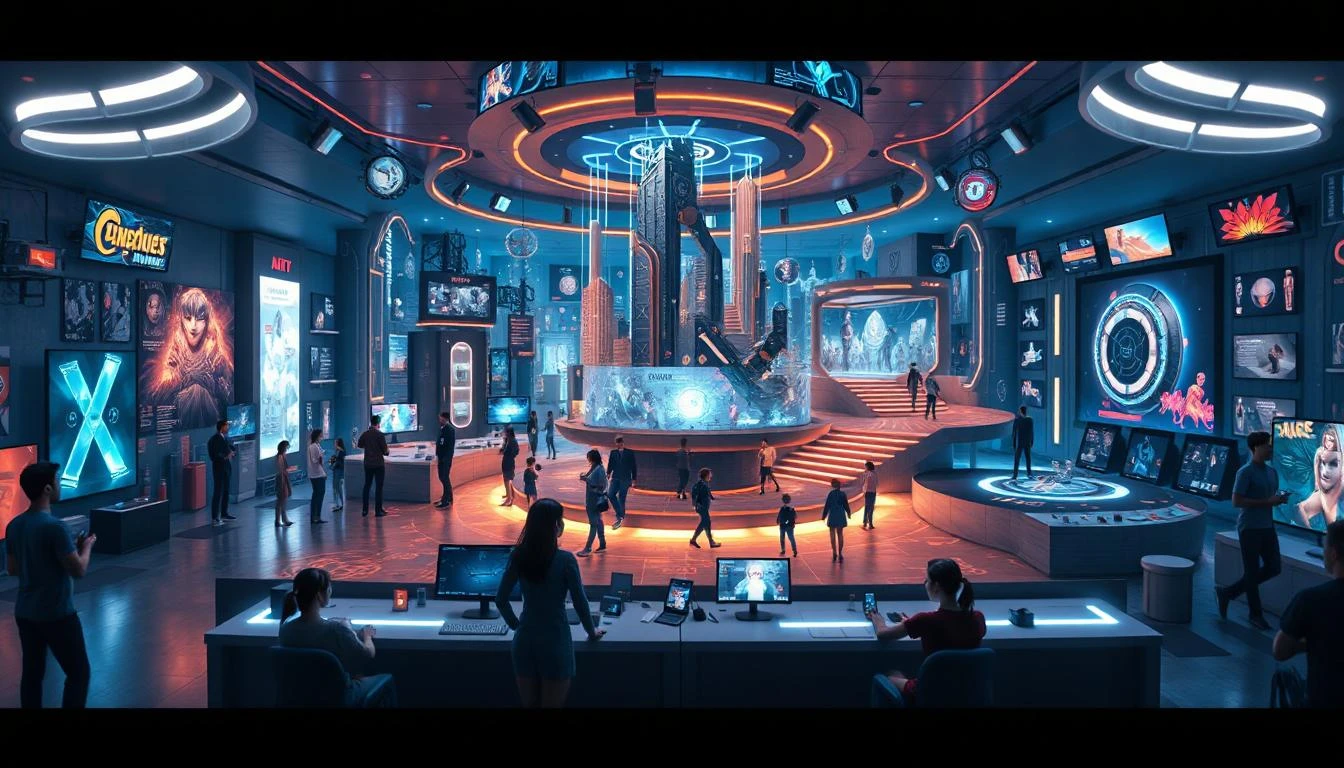
Gaming is no longer confined to entertainment alone. Across the world, immersive digital environments are becoming destinations where people socialize, create businesses, attend virtual events, and participate in thriving online communities. The boundaries between gaming, technology, and digital commerce are becoming increasingly blurred, creating entirely new opportunities that continue to attract millions of users every year.
As this transformation accelerates, the Virtual reality gaming shift is reshaping how players experience digital worlds and interact with one another. Instead of moving between isolated games, users are entering persistent virtual ecosystems that combine social interaction, creator economies, advanced technologies, and marketplace activities into a single interconnected experience. This evolution is setting the stage for a future where virtual worlds become an essential part of everyday digital life.
The Rise of Next Generation Virtual Worlds
The gaming industry is entering a remarkable period of transformation where digital experiences are becoming more immersive, interconnected, and meaningful than ever before. What was once limited to multiplayer matches and isolated virtual environments is now evolving into expansive ecosystems where people can socialize, create businesses, attend events, and participate in thriving digital communities. As technology advances at an unprecedented pace, virtual worlds are increasingly influencing how people interact, communicate, and even conduct commerce on a global scale.
As this transformation accelerates, the Virtual reality gaming shift is redefining expectations for digital entertainment and online engagement. Players are no longer satisfied with static experiences; they seek persistent worlds that continue evolving even when they are offline. This growing demand is driving innovation across gaming, technology, and digital marketplace sectors, creating opportunities that extend far beyond traditional gameplay.
The rapid growth of Virtual Worlds Gaming trends highlights how developers and technology companies are building increasingly sophisticated environments that blend social interaction, creativity, and economic participation. These virtual ecosystems are becoming destinations where users spend significant amounts of time exploring, collaborating, and shaping the future of immersive digital experiences.
According to Tim Sweeney, CEO of Epic Games, the future of digital interaction will revolve around interconnected virtual spaces where users can seamlessly move between experiences while maintaining their identities, assets, and social connections. This vision is becoming increasingly relevant as next-generation virtual worlds continue to expand.
Persistent Shared Digital Universes
One of the most significant developments in virtual world gaming is the emergence of persistent shared universes. Unlike traditional games that pause or reset based on player activity, these environments continue evolving around the clock. Economic systems fluctuate, communities grow, and events unfold regardless of whether individual users are actively participating.
This persistence creates a stronger sense of ownership and engagement. Players become part of living ecosystems where their decisions contribute to long-term changes, making every action feel more meaningful and impactful.
AI Powered World Building Systems
Artificial intelligence is dramatically changing how virtual worlds are created and maintained. Developers can now generate vast landscapes, intelligent non-player characters, adaptive storylines, and dynamic content using advanced AI technologies.
Modern AI-powered systems significantly reduce development time while enhancing creativity. As a result, virtual environments are becoming more diverse, responsive, and personalized, offering experiences tailored to individual player preferences.
Real Time Global Player Interaction
Global connectivity has become one of the defining features of next-generation virtual worlds. Players from different regions can communicate, collaborate, and compete instantly, creating truly international communities.
Advanced networking infrastructure and AI-powered translation tools are helping remove traditional communication barriers. This allows virtual worlds to function as global social hubs where cultural exchange and collaboration occur naturally.
Technology Driving Virtual World Expansion
Behind every successful virtual world lies a powerful technological foundation. Rapid advancements in cloud computing, immersive hardware, artificial intelligence, and decentralized systems are enabling developers to create richer and more accessible experiences than ever before.
As user expectations continue to evolve, technology remains the driving force behind larger virtual environments, smoother interactions, and increasingly realistic digital experiences.
Cloud Gaming Infrastructure Improvements
Cloud gaming has significantly expanded access to high-quality virtual experiences. By processing demanding workloads on remote servers, users can participate in sophisticated virtual worlds without investing in expensive gaming hardware.
This accessibility is helping virtual worlds reach broader audiences while supporting seamless gameplay across multiple devices, including smartphones, tablets, and standard personal computers.
VR and AR Integration Advancements
Virtual reality and augmented reality technologies continue to improve at an impressive rate. Enhanced graphics, improved motion tracking, and lighter headsets are creating more comfortable and immersive experiences for users.
These advancements allow players to engage with digital environments in ways that feel increasingly natural. As VR and AR hardware becomes more affordable, adoption is expected to accelerate throughout 2026 and beyond.
Blockchain Based Digital Ownership Systems
Digital ownership has become an important topic within virtual ecosystems. Blockchain-based technologies provide transparent methods for verifying ownership of virtual assets, collectibles, and digital goods.
These systems support secure transactions while empowering users to maintain greater control over their digital possessions. For creators and businesses operating within virtual marketplaces, trusted ownership frameworks are becoming increasingly valuable.
Social and Economic Systems in Virtual Worlds
Virtual worlds are no longer solely entertainment platforms. They are developing into complex social and economic ecosystems where users create value, establish identities, and participate in collaborative governance structures.
As these systems mature, they increasingly resemble real-world communities while introducing entirely new forms of digital interaction and economic activity.
Player Driven Economies and Marketplaces
Player-driven economies are rapidly becoming a cornerstone of modern virtual worlds. Users can create products, provide services, trade digital assets, and build businesses within immersive environments.
The growth of virtual marketplaces reflects a broader shift in digital commerce. Brands, creators, and entrepreneurs are exploring new ways to engage consumers through interactive experiences that extend beyond traditional e-commerce platforms.
Industry expert Matthew Ball, widely recognized for his research on virtual economies and digital ecosystems, has noted that persistent virtual environments could eventually support economic activity on a scale comparable to some traditional digital marketplaces. This perspective underscores the growing significance of player-driven commerce within virtual worlds.
Virtual Identity and Avatar Evolution
Digital identities are becoming increasingly sophisticated. Modern avatar systems provide extensive customization options that allow users to express personality, achievements, and individual preferences.
As people spend more time in virtual environments, avatars are evolving from simple character models into meaningful extensions of personal identity, helping strengthen community engagement and social interaction.
Community Led World Governance Models
Many virtual worlds are experimenting with governance systems that give communities a voice in decision-making processes. Participants can influence policies, economic structures, development priorities, and content standards.
This collaborative approach fosters transparency and encourages users to become active contributors rather than passive participants. As virtual societies continue to expand, community-led governance may become a defining characteristic of successful digital ecosystems.
Join the Evolution of Virtual Worlds Gaming Today
The future of gaming is no longer confined to entertainment alone. Virtual worlds are rapidly becoming interconnected environments where technology, social interaction, creativity, and commerce converge in ways that were difficult to imagine only a few years ago.
From persistent digital universes and AI-generated experiences to player-driven marketplaces and evolving virtual identities, the opportunities emerging within these ecosystems continue to grow. As the Virtual reality gaming shift gains momentum and Virtual Worlds Gaming trends reshape the digital landscape, those who understand these developments today will be better positioned to navigate the next chapter of immersive technology. The question is no longer whether virtual worlds will influence the future, but how deeply they will transform the way people connect, create, and participate in the global digital economy.
Explore the evolution of virtual worlds today and discover where the next generation of digital experiences is heading.